
7 Rare Kennedy:- are a cornerstone of modern U.S. numismatics. Many dates and varieties are common, but a few are genuinely scarce or carry special varieties and errors that push collectors into active searches. This guide outlines seven rare Kennedy half dollars to watch for and explains how to spot and handle them.
Why Kennedy Half Dollars Are Collected
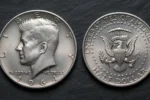
Kennedy half dollars were introduced in 1964 and have several phases: 90% silver issues, reduced-silver issues, and modern clad pieces. Rarity can come from low mintage, limited proof issues, major die varieties, or dramatic minting errors.
Knowing what makes a coin rare helps you focus time and budget when hunting through dealers, estate lots, and circulation finds.
How Rarity Is Determined for Kennedy Half Dollars
Collectors look for several signals of rarity: low mintage numbers, proof or Special Mint Set origins, major die varieties like doubled dies, and physical errors (off-center, clipped planchet, broadstrike).
Professional grading also affects market rarity. A coin graded MS67 by a major service will be a different market animal than an ungraded example of the same date.
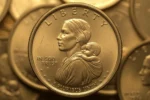
How to Identify the Rare Sacagawea Dollar Worth $2.1 Million
The 7 Rare Kennedy Half Dollars to Look For
1. Early 1964 Deep-Strike Proof and Gem Business Strikes
The 1964 Kennedy half is the series debut and is 90% silver. Gem-quality business strikes and deep-contrast proofs in high grades are scarce on the market and often command premiums.
Look for strong strike detail and minimal wear; these features matter more than just the date.
2. 1965–1967 Special Mint Set (SMS) Kennedy Halves
Between 1965 and 1967 the U.S. Mint produced Special Mint Sets rather than standard proofs. SMS pieces were struck with special dies and finishes, and high-grade examples can be scarce today.
SMS coins show a distinctive satin-like finish. Compare suspected SMS pieces with reference photos before paying premiums.
The 7 Rare Kennedy Half Dollars Every Collector Dreams of Finding

3. Major Doubled-Die Varieties
Doubled dies on Kennedy halves are among the most sought die varieties. Doubling typically shows on the obverse lettering, date, or profile details and can dramatically increase collector interest.
- Check for clear, separated doubled letters or numerals.
- Use magnification and compare to verified doubled-die images.
4. High-Grade 40% Silver (Late 1960s) Strikes
Halves struck in the late 1960s with 40% silver content survive in fewer top uncirculated grades. Collectors prize these when they retain original luster and minimal contact marks.
Preservation and eye appeal are the primary value drivers for these pieces.
5. Bicentennial Varieties
The 1975–1976 bicentennial halves have several varieties and proof types. Certain proof-only or scarce die-state examples are collectible, particularly when sharply struck and well-preserved.
Know the common and scarce varieties so you can spot the unusual at a show or online auction.
6. Dramatic Mint Errors (Off-Center, Broadstrike, Clipped Planchet)
Error Kennedy halves exist in striking, planchet preparation, and punching errors. Major errors like large off-center strikes, broadstrikes, or clipped planchets can be rare and valuable depending on severity and appearance.
Document any suspected error with multiple photos and seek an expert opinion before selling or submitting for grading.
7. Modern Low-Mintage or Special Issue Halves
Modern commemorative releases, special proof issues, and low-mintage collector pieces occasionally carry strong collector demand. Limited releases tied to mint programs or anniversary sets often become favorites.
Track Mint announcements and auction results to spot which modern issues are gaining traction among collectors.
How to Authenticate and Grade Kennedy Half Dollars
Authentication and proper grading protect you from overpaying. Use a reputable third-party grading service (PCGS, NGC, etc.) for high-value or rare finds. For suspected varieties or errors, consult specialized variety-atlas references and experienced dealers.
Basic checks include weight, diameter, edge type, and visual comparison to known examples.
Practical Tips for Finding Rare Kennedy Half Dollars
- Search circulation change and estate lots for overlooked examples.
- Attend local coin shows and ask dealers about problem lots or unslabbed estate coins.
- Study reference photos and variety guides—knowledge helps you spot value quickly.
- Buy slabs for high-value pieces and keep documentation for resale.
Real-World Example
A collector bought a small box of mixed halves at a coin show and spotted a half with unusually bold doubling on the date. After research and third-party verification, the doubled-die attribution was confirmed and the slabbed coin later sold to a specialist for a significant premium above face.
The takeaway: routine lots often hide variety and error coins—slow, careful inspection pays off.
Final Advice for Collectors
Focus your search by type (early silver, SMS, error, modern special issues) and learn the key visual signs of each rare variety. Keep purchases documented and use trusted grading services for high-value items.
With patience and the right knowledge, finding a rare Kennedy half dollar can be a rewarding moment for any collector.
