
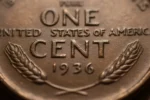
Wheat pennies—officially known as Lincoln Wheat Cents—are among the most collected U.S. coins. Minted from 1909 to 1958, these cents feature Abraham Lincoln on the obverse and two wheat stalks on the reverse. While most wheat pennies are worth only a few cents, certain years, mint marks, and errors can be worth hundreds, thousands, or even more.
This collector’s guide breaks down wheat penny values by year, highlights the most valuable dates, and explains what makes these coins desirable.
What Determines the Value of a Wheat Penny?
Before looking at year-by-year values, it’s important to understand what affects price:
- Condition (Grade): Uncirculated coins are worth significantly more
- Mint Mark: Coins from Denver (D) and San Francisco (S) are often scarcer
- Rarity: Lower mintage years command higher prices
- Errors & Varieties: Misprints, doubled dies, and wrong metals boost value
- Original Color: Red (RD) pennies are more valuable than brown (BN)
Wheat Penny Value by Year (1909–1958)
1909–1919: Early and Highly Collectible Years
- 1909-S VDB: $700–$2,500+ (key date)
- 1909-S: $100–$500
- 1909 VDB: $10–$40
- 1914-D: $200–$1,500+
- 1915-S: $20–$200
- 1917 Doubled Die Obverse: $500–$2,000
Collector Tip: Any wheat penny dated before 1920 should be checked carefully.
1920–1929: Scarce but Overlooked Gems
- 1922 No D (Plain): $500–$10,000+
- 1924-D: $30–$300
- 1926-S: $40–$400
- 1921-S: $50–$500
Coins from this era often suffer from weak strikes, increasing value for sharp examples.
1930–1939: Popular and Affordable Collecting
- 1931-S: $75–$300
- 1932-D: $15–$150
- 1933-D: $10–$100
- 1936 Doubled Die Obverse: $300–$3,000
Most other 1930s wheat pennies range from 5 cents to $2 in circulated condition.
1940–1949: War-Era Coins and Famous Errors
- 1943 Bronze (Copper): $100,000–$1 million+
- 1943 Steel Cent: $0.10–$3
- 1944 Steel Cent: $75,000–$500,000
- 1946-S Doubled Die: $200–$1,000
Important: A 1943 penny that sticks to a magnet is steel—rare copper ones do not.
1950–1958: Common but Still Collectible
- 1955 Doubled Die Obverse: $1,000–$25,000+
- 1958 Doubled Die: $1,000–$10,000
- 1950-D: $0.10–$2
Most wheat pennies from this era are worth 3–10 cents unless uncirculated or error varieties.
Quick Wheat Penny Value Table (Average Circulated)
| Year Range | Typical Value |
|---|---|
| 1909–1919 | $1 – $500+ |
| 1920–1929 | $0.25 – $1,000+ |
| 1930–1939 | $0.05 – $300 |
| 1940–1949 | $0.05 – $1,000,000+ |
| 1950–1958 | $0.03 – $25,000 |

How to Check If Your Wheat Penny Is Valuable
- Check the date and mint mark
- Inspect for doubling or errors
- Test 1943 coins with a magnet
- Avoid cleaning the coin
- Consider professional grading for rare finds
Where to Sell Valuable Wheat Pennies
- Professional coin dealers
- Coin auctions
- Certified numismatic marketplaces
- Coin shows and collector forums
Always verify authenticity before selling high-value coins.
Final Word
Wheat pennies may look ordinary, but certain years can be life-changing finds. From the legendary 1909-S VDB to the ultra-rare 1943 copper cent, knowing the value by year is essential for collectors and treasure hunters alike. Always check your spare change—you never know what piece of history might be hiding in your pocket.
FAQs
Q1: Are all wheat pennies valuable?
No. Most are worth a few cents, but rare dates and errors are highly valuable.
Q2: What is the most valuable wheat penny?
The 1943 copper wheat penny, valued at over $1 million in top condition.
Q3: Should I clean my wheat penny?
Never. Cleaning can reduce value by up to 90%.
Q4: How can I tell if my penny is rare?
Check the year, mint mark, weight, and look for doubling or metal errors.
Q5: Are wheat pennies still found in circulation?
Yes, though rare, they still occasionally appear in pocket change and old collections.
