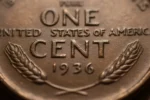
Wheat pennies—officially known as Lincoln Wheat Cents—are among the most beloved and collected U.S. coins. Minted from 1909 through 1958, these iconic copper coins feature a portrait of Abraham Lincoln on the obverse and a pair of wheat stalks framing the denomination on the reverse. For collectors, Wheat pennies offer a fascinating mix of history, rarity, and value.
In this comprehensive 2025 collector’s guide, we’ll walk through the year-by-year values of Lincoln Wheat pennies, highlight key dates and varieties, explain how condition impacts price, and help you understand what to look for when buying or selling these classic coins.
What Makes Wheat Pennies Special?
Lincoln Wheat cents were the first U.S. coins to depict a real historical figure, marking the 100th anniversary of Abraham Lincoln’s birth in 1909. Over nearly five decades of production, over 90 different date/mintmark combinations were struck, ranging from common everyday coins to rare treasures worth thousands of dollars.
Two key factors determine a Wheat penny’s value:
-
Date and Mint Mark — Some years/mints had low production numbers or special varieties.
-
Condition/Grade — Coins are graded from Poor (P-1) to Perfect Uncirculated (MS-70). Higher grades command much higher prices.
Complete Wheat Penny Values by Year (1909–1958)
Below are general collector value ranges for each major year and mint mark combination as of 2025. These values are approximate and represent typical collector prices (not melt value). Coins in higher grades or with rare varieties can be worth significantly more.
1909 – Early Lincolns
-
1909 (No Mint Mark): $3–$200+
-
1909 VDB: $20–$500+
-
1909-S VDB: Key date – $3,000–$100,000+
(The 1909-S VDB is one of the most sought-after Wheat pennies.)
Top 10 Rare Pennies of the 20th Century That Collectors Pay a Fortune For
1910–1916 – Early Series
-
1910, 1911: $2–$50+
-
1912–1916: $3–$70+
(Most early years are relatively common in circulated grades.)
1917–1920
-
1917 (All Mints): $2–$100+
-
1918: $3–$90+
-
1919: $4–$120+
-
1920: $4–$150+
1921–1929
-
1921: $5–$150+
-
1922 (No D): $500–$5,000+ (error, no mintmark on some Denver coins)
-
1923–1929 (All): $2–$150+
The 1922 No D variety is a major collectible—identifying it correctly requires close inspection of the mint mark area.
1930s – Great Depression Era
-
1930–1934 (All): $2–$120+
-
1935: $4–$90+
-
1936: $3–$80+
-
1937: $5–$200+
-
1938: $3–$100+
-
1939: $3–$120+
While many 1930s Wheat cents are common, high-grade examples and proof coins can be especially valuable.
1940s – War Years
-
1940–1941: $3–$100+
-
1942: $3–$110+

-
1943 Steel (Standard): $1–$5 (steel)
-
1943 Bronze (Error): Extremely rare — $100,000–$1,000,000+
-
1944 Steel: $30,000–$100,000+ (rare error)
-
1944 (Copper): $2–$60+
-
1945: $3–$90+
The 1943 bronze and 1944 steel errors are among the most legendary in U.S. coin collecting.
1950s – Final Years
-
1950–1954: $2–$80+
-
1955: $3–$100+
-
1956: $2–$70+
-
1957: $2–$60+
-
1958: $2–$50+
Mid-1950s coins are generally common, but uncirculated pieces are still valuable to collectors.
10 Most Valuable Rare Coins That Could Turn You Into a Millionaire
Key Varieties to Watch
In addition to date/mintmark values, some special varieties can drastically increase a coin’s worth:
-
Doubled Dies: Strong doubling on lettering or date may add value.
-
Repunched Mint Marks (RPM): Visible re-engraved mintmarks are collectible.
-
Off-Center Strikes & Broadstrikes: Dramatic errors can be valuable.
-
Die Cracks & Cuds: Some attract collector interest.
How Condition Affects Value
Condition (or grade) has huge impact:
-
Good / Very Good (G–VG): Heavy wear, basic details. Lower value.
-
Fine / Very Fine (F–VF): Moderate wear, clear features. Mid-range value.
-
Extremely Fine (EF / XF): Light wear, sharper details. Higher value.
-
Uncirculated (MS60–MS70): No circulation wear; pristine. Top values.
For key dates, an uncirculated coin can be 10×–100× more valuable than a worn example.
Tips for Collectors
1. Use a magnifier — Tiny details like mint marks or doubling are easy to miss.
2. Check both sides — Many errors show strongest on reverse inscriptions.
3. Compare with guides — Always reference updated price guides and auction results.
4. Grade honestly — Condition dramatically affects value; avoid overgrading.
5. Store safely — Use acid-free holders to preserve condition.
Final Thoughts
Lincoln Wheat pennies are a cornerstone of American coin collecting. From iconic rarities like the 1909-S VDB and 1943 bronze error to everyday dates filling out a collection, there’s something here for every budget and interest.
Whether you’re just starting or building an advanced set, understanding values by year and condition is essential. With this 2025 collector’s guide, you’re well-equipped to explore the fascinating world of Wheat pennies—where every coin tells a part of American history.
