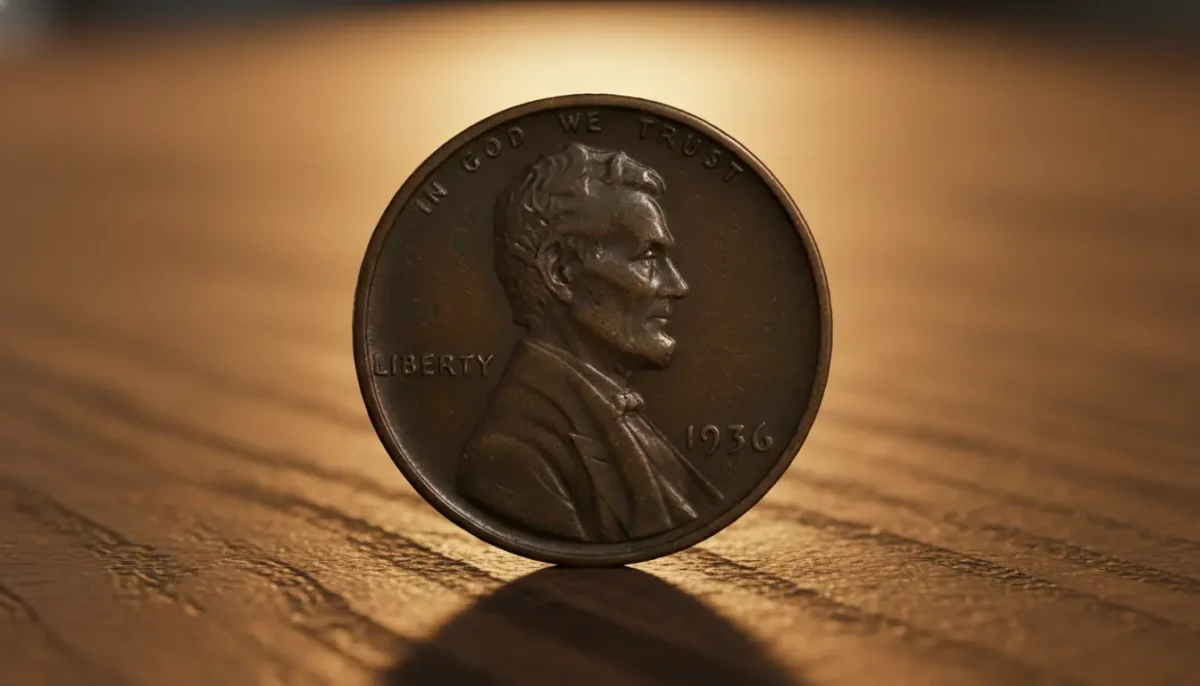
Few coins capture the spirit of American history quite like the Lincoln Wheat Penny. First minted in 1909, this small copper coin has traveled through wars, economic upheavals, and cultural change, becoming one of the most beloved and collectible coins in U.S. history. More than just pocket change, the Lincoln Wheat Penny tells a powerful story of America’s past.
The Birth of an Icon (1909)
The Lincoln Wheat Penny was introduced in 1909 to commemorate the 100th anniversary of President Abraham Lincoln’s birth. It marked a historic first: Lincoln became the first real person ever featured on a regularly circulating U.S. coin.
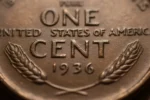
Designed by sculptor Victor David Brenner, the obverse features Lincoln’s dignified profile, while the reverse displays two wheat stalks framing the words “ONE CENT” and “UNITED STATES OF AMERICA.” The wheat symbolized prosperity, unity, and America’s agricultural strength.
A Coin Through Changing Times
The Early Years
From 1909 through the 1920s, Wheat Pennies circulated during a time of rapid industrial growth and social change. Early issues were struck mostly in Philadelphia, Denver, and San Francisco, creating mint varieties that collectors still seek today.
The Great Depression Era
During the 1930s, Lincoln Wheat Pennies passed through countless hands during the Great Depression. Despite financial hardship, the penny remained a symbol of stability and hope, making it an everyday witness to American resilience.
World War II and the Steel Penny
One of the most fascinating chapters came in 1943, when copper was diverted for wartime use. That year, pennies were struck in zinc-coated steel, giving them a silver appearance. These unusual coins are among the most recognizable Wheat Pennies, and some rare errors from this year are extremely valuable.
Design That Stood the Test of Time
The Wheat Penny design lasted until 1958, making it one of the longest-running coin designs in U.S. history. In 1959, the wheat stalks were replaced with the Lincoln Memorial, marking the end of an era but cementing the Wheat Penny’s legacy.
Despite its simplicity, the design resonated deeply with Americans. Millions grew up recognizing the wheat stalks on the back of the penny, turning it into a nostalgic symbol of everyday life.
Rarity, Errors, and Collector Value
While many Wheat Pennies are common, certain dates and errors are highly prized:
-
1909-S VDB – One of the most famous and valuable U.S. pennies

-
1914-D – Scarce due to low mintage
-
1943 Copper Penny – A legendary minting error worth a fortune
-
1955 Double Die – Famous for its dramatic doubling
These rare examples have transformed the Wheat Penny from spare change into a serious collectible, with some selling for thousands—or even millions—of dollars.
Why the Lincoln Wheat Penny Still Matters
The Lincoln Wheat Penny is more than metal and inked numbers. It reflects:
-
America’s values and leadership
-
The nation’s economic highs and lows
-
The everyday lives of generations who carried it in their pockets
Collectors cherish it not just for its value, but for the stories it carries—of family coin jars, childhood discoveries, and the thrill of finding history in plain sight.
Conclusion
The Lincoln Wheat Penny is a timeless piece of American heritage. From its groundbreaking design in 1909 to its final minting in 1958, it chronicles nearly half a century of national history. Whether you’re a seasoned collector or someone who simply appreciates the past, the Wheat Penny stands as a reminder that even the smallest coin can hold a powerful story.
