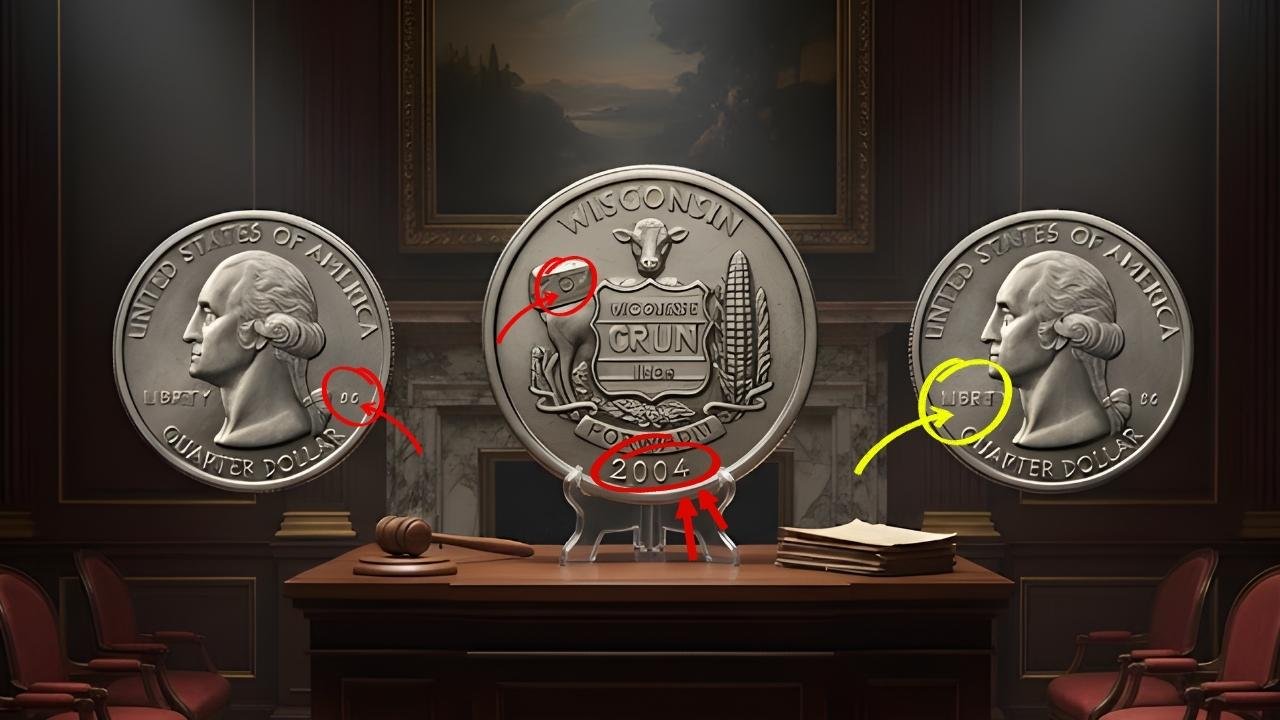
Since their debut in 1999, state quarters have become a cornerstone of modern U.S. coin collecting. Issued through the 50-state program from 1999 to 2008 (plus additional designs into 2021), these beloved coins celebrated America’s heritage and delivered a new generation of collectors into the hobby. Now in 2025, state quarters continue to draw interest—not just from nostalgic savers, but from serious collectors tracking rarities, errors, and market trends.
This guide covers updated state quarter values, highlights rare and valuable issues, and explores the latest collector market trends shaping prices in 2025.
Understanding State Quarter Basics
Before diving into values, here’s a quick refresher:
-
Issued by the U.S. Mint: 1999–2008 (original 50 states), followed by designs for U.S. territories and the District of Columbia.
-
Composition: Mostly copper-nickel clad (standard circulation coins). Some special collector editions available in silver.
-
Face value: 25 cents—but collector value can be far higher.
Key factors that impact value include:
-
Condition/grade
-
Mint mark (P, D, S)
-
Errors and varieties
-
Survival and demand in collector markets
What Drives State Quarter Values in 2025?
In today’s market, several trends are shaping how state quarters are priced:
1. Condition Matters More Than Ever
Coins graded by professional services (e.g., PCGS, NGC) continue to command premiums. Uncirculated and high-grade coins (MS65+) can be worth 10×–50× more than common circulated examples.
2. **Collector Demand for Key Variants
While state quarters were widely collected, scarcity still exists:
-
Coins with full luster, sharp strike, and original mint brilliance
-
High-grade silver proof versions
-
Well-documented errors and varieties
3. **Error Quarters Are Hot
Collectors pay premiums for clear errors like:
-
Double dies
-
Off-center strikes
-
Clipped planchets
-
Wrong planchet compositions
These error coins often sell for far more than standard circulation strikes.
4. **Silver Proof Quarters Retain Premium
Silver proof coins, struck in .900 silver in early programs and .999 in later issues, maintain worth based on silver content plus collector demand.
Updated State Quarter Values by Category (2025)
The table below outlines typical value ranges for common state quarters in good, uncirculated, and premium condition. These are approximate collector prices as of early 2025—not face value.
| Condition / Type | Typical Value Range |
|---|---|
| Circulated (Common) | $0.25 – $1.50 |
| Uncirculated (MS60-MS63) | $2 – $15 |
| High Uncirculated (MS64-MS66) | $15 – $100+ |
| Proof (Clad) | $3 – $25 |
| Proof (Silver) | $10 – $150+ |
| Major Errors | $50 – $1,000+ |
| Top-Graded Rarity | $500 – $10,000+ |
Note: Bullion value is separate for silver coins and tied to the current silver price.

Notable State Quarters Worth Watching
While most state quarters are common in circulation, some issues and series stand out:
1. Statehood and Commemorative Proof Silver Sets
Collectors covet original silver proof sets, which often include quarters in flawless condition. Particularly:
-
Early issues (1999–2001) in silver proof sets
-
High-grade individual silver quarters
2. High-Grade Circulated Survivors
Quarters from early state releases that remain in gem condition (near MS66 or better) are rare in the wild and sell well.
3. Error and Variety Quarters
Examples include:
-
Off-center strikes
-
Doubled dies
-
Clipped or misaligned planchets
These can range from affordable novelty prices to thousands of dollars for dramatic examples.
Collector Market Trends (2025)
Here’s what’s shaping the state quarter market right now:
Higher Interest in Silver Quarters
With bullion markets active again, more collectors are focusing on silver proof quarters. These hold both intrinsic metal value and numismatic premium.
Condition-Driven Price Increases
Collectors are increasingly chasing top-graded pieces. Coins graded MS67 or higher, even for common dates, now make headlines at auctions.
Online Auction Activity Rising
More buyers are turning to online marketplaces and major auction houses. Transparent bidding and global access have helped push rare piece prices higher.
Greater Awareness of Errors and Varieties
Educational resources on coin errors have expanded collector knowledge. Errors that were once overlooked—like subtle doubled dies—are now widely recognized and valued.
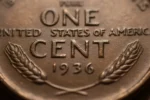
Top 10 Rare Pennies of the 20th Century That Collectors Pay a Fortune For
Tips for Collectors in 2025
1. Always Check Condition Closely
A lightly circulated quarter can be worth much more just by virtue of superior eye appeal.
2. Look Beyond Face Value
Even low-value dates may hide gems—especially if they exhibit unusual striking characteristics.
3. Get Serious Coins Professionally Graded
Encapsulation by PCGS or NGC can add credibility and unlock higher market prices.
4. Understand Silver Content
Proof silver quarters include real silver—so track bullion values in addition to numismatic prices.
5. Follow Market Data
Auction results and dealer price lists help you stay ahead of shifting trends.
Final Thoughts
State quarters remain one of the most accessible—and rewarding—areas of U.S. coin collecting. While most common quarters trade near face value in everyday circulation, rare high-grade examples, proof silver issues, and genuine error coins can command remarkable prices in 2025.
Whether you’re a new collector filling a folder or a seasoned numismatist hunting high-end rarities, understanding current values and trends will help you make smarter collecting decisions. Keep an eye on condition, leverage expert grading services, and don’t overlook interesting varieties hiding in your change.
With rich history and diverse collecting opportunities, state quarters continue to prove that even small coins can hold big value.
